
The cheek pinch is a weird one. It resembles a sucking in of the cheeks, but it’s not. It also resembles pulling in the lower lip and pushing it against the upper lip towards the nostrils to create a sort of upside down coathangar shape to the mouth. It’s not that either.
What it is – when it matters – is that the cheek muscles are forcibly clamped down on the smile muscles, as they begin to exert an involuntary tug and lift on the corners of the mouth. The reason it’s used in true crime is to stop the criminal from smiling, especially when a smile is completely inappropriate to the question. The crushed cheek expression often helps the suspect appear more serious, stoic and unemotional than they are.
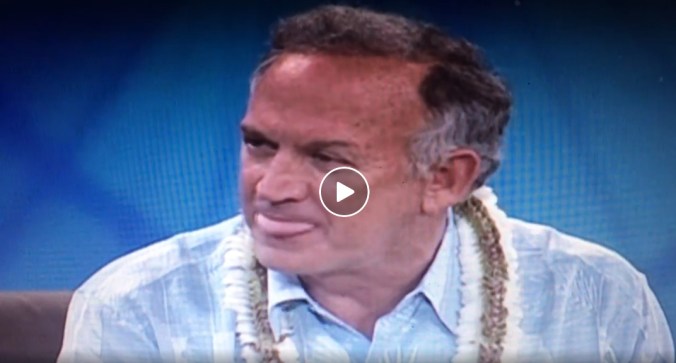
Here’s an example from a Ted Talk referencing the infamous Diane Downs. Watch until 15:52.
Here’s another example of what happens when the cheek pink fails to engage. Have a look at the corners of Knox’s lips, and how quickly and easily they tilt upwards.
The example below from an interview with Diane Sawyer has Knox in a more somber mood. She has to be, because Sawyer is a woman, and Sawyer is taking her there, addressing her morals as another woman. In this instance we see a few cheek pinches, and then one more immediately followed by a telling smile.
Sometimes a smile can build up but it can be held back. Sometimes it can’t. Repeated cheek pinches can also be a sign of giddy anxiety from a potential suspect. A particular psychology is at work. It’s activated in their minds. And extended exposure to an idea of themselves can be amusing, especially if there’s more to tell and the public can’t know.
So is the cheek pinch a smoking gun? Like so many things in true crime, when smoke forms part of a pattern, where there’s smoke there’s usually fire. A cheek pinch doesn’t mean guilty of murder necessarily but it can reveal deception at a telling juncture.
That said, the cheek pinch is idiosyncratic. Some, during interviews and in court, use it all the time, almost like a default fall-back expression. Some almost never use it.
Sometimes it’s used almost automatically by ordinary folk to express pique, or small levels of irritation or impatience. That’s not what we’re talking about here.
The cheek pinch is specifically useful as a true crime clue when tactical or direct questions are asked, questions with huge and telling implications. And because of this, the cheeks are used to clamp down on a smile that’s trying to leak through. It’s trying to hide the fact that I’m wanting to smile…I’m trying not to smile. See, I know something important but I’d rather not say what it is…and that’s amusing to me.
That amusement may seem so-what, but it’s actually a potential indicator of sadism. Where there’s elevated sadism there’s almost always murder.
By stretching the lips, which is what the cheek pinch does, they suck in the lips which tilts the edges down. This can neutralize an involuntary smile muscle that’s starting to engage.
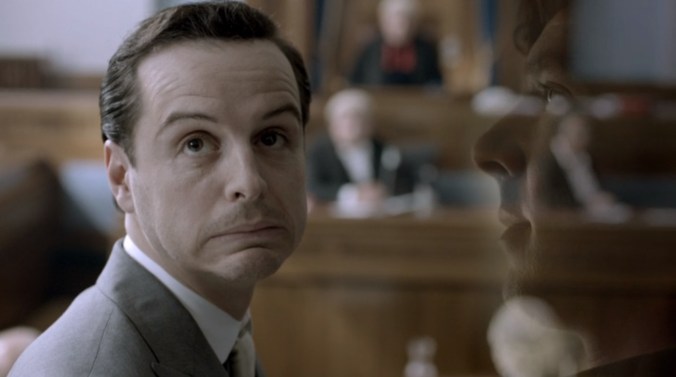
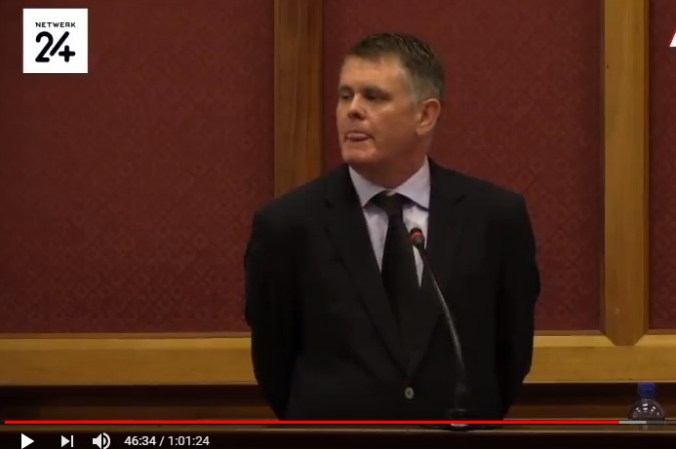
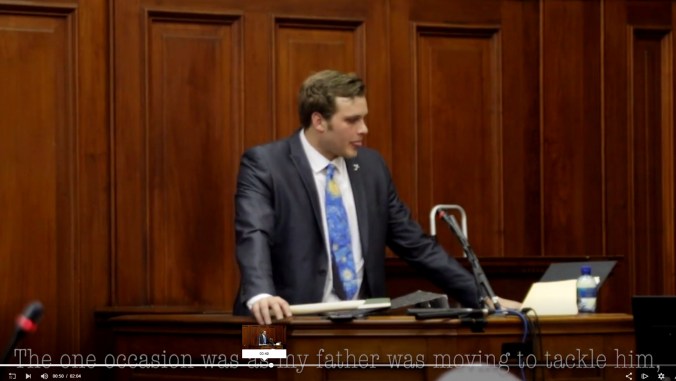
Through the course of studying dozens of high-profile cases in meticulous detail, I’ve not paid that much attention to the cheek pinch. That changed when I attended the Rohde trial. When I encountered the accused [accused of murdering his wife, he claims she committed suicide by hanging herself from a hook inside a hotel bathroom while he was sleeping in the same room] in court, I was surprised by how expressive he was in court. When he was on the stand facing questions, he shrugged constantly. A single response sometimes caused him to shrug several times every few seconds.
Besides the shrugging, Rohde did the cheek pinch to excess. Now in Rohde’s case the cheek pinch is closer to a sneer than clamping down on a smile. It’s almost a contemptuous response to something that he could never possibly know. Clearly Jason Rohde’s not always trying to stifle a smile, so what is he trying to do?
In court [the case is still sub judice] Rohde’s admitted to being a liar, and to lying often. He’s said, shrugging, that he may be a liar but that doesn’t make him a murderer.
True, but murderers need to a lie a lot, and their lives are lies. To view a brief illustration of some of Rohde’s ticks, visit this link.
The strange thing with Rohde is that he has a slew of microexpressions that are seemingly beyond his control. Even when he’s not on the stand he’s constantly blinking in a sort of pinched stutter – with his eyelids. These nervous twitches are not something you’d expect from a multimillionaire CEO. And what I noticed with them, he’d pinch his eyes when nothing was happening, but crucially, the pinch would invariably be there right when it did too.
Think of it as someone who stutters. They stutter when they’re nervous, but they stutter even more when their nervousness increases. Does that make sense?

Now obviously the cheek pinch isn’t necessarily a flag that only sits on the murderer’s cake. Any time in a true crime scenario, especially where witnesses are in court testifying about crucial information, you want to look out for the cheek pinch.
Some pinches may be incidental pique, but others might not be.
To test your ability to pick it up, watch the testimony below of Anthony Lazarro, Casey Anthony’s boyfriend at the time her daughter Caylee disappeared and died. A lot of the questions are neither here nor there. Lazarro happens to be very expressive too. Perhaps because of his youth he’s not that great at camouflaging his emotions. The clip below starts at the moment in the testimony he starts to do cheek pinching to excess.
QUESTION: Did she ever talk with any specificity about say, what the babysitter’s name way?
LAZARRO [Glances upward for inspiration]: Uh…at that point it was…Zanny [cheek pinch].
Lazarro keeps his cheeks pinched for a few more seconds until he’s asked a follow-up question.
QUESTION: Did she tell you where Zanny lived?
LAZARRO: No. [The cheek pinch is back with a vengeance now].
QUESTION: Did she tell you if Zanny had any relatives?
Now Lazarro’s got his cheeks pinched in permanently, even when he answers. So they’re pinched in before the question, there’s an answer, and they’re still pinched in when he says “No”.
QUESTION: Did she tell you if Zanny cared for any other children?
He’s still got his cheeks pinched in.
There’s a slight pause, then one more.
QUESTION: Did she ever discuss, when you first met her, what she paid Zanny?
Here Lazarro sucks in his lips audibly, making a squishy kissing noise. The kissy lips look absurd under the circumstances. Anyway, he hunches up, shrugs and finally smiles as he says, “Don’t remember.”

If there is something to the cheek pinch, this guy seems to be hiding something that has to do with a Nanny called Zanny. It’s funny to him, even though he’s sitting in court addressing accusations of murder towards his former questions. If he’s trying to stop himself from smiling, what’s he trying to hide, and why’s it funny?



 #SHAKEDOWN